Specializing in Hoof Trauma Recovery
Mobile Workshop, among the best equipped and fully stocked farrier rigs in the industry
Ship In Farrier Service by Appointment
Years of Successful Collaborations with Veterinarians
Professional References
“I have worked complicated hoof cases with David for almost 30 years. He is capable, professional, has great attention to detail and the skill to innovate when needed.
-Anne Bonda-Hartman, DVM
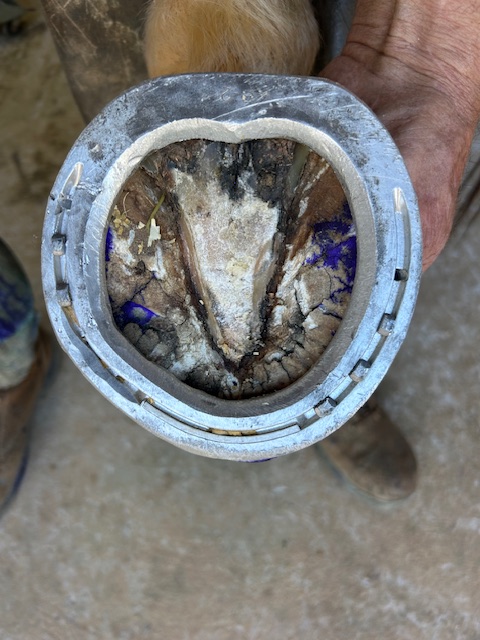
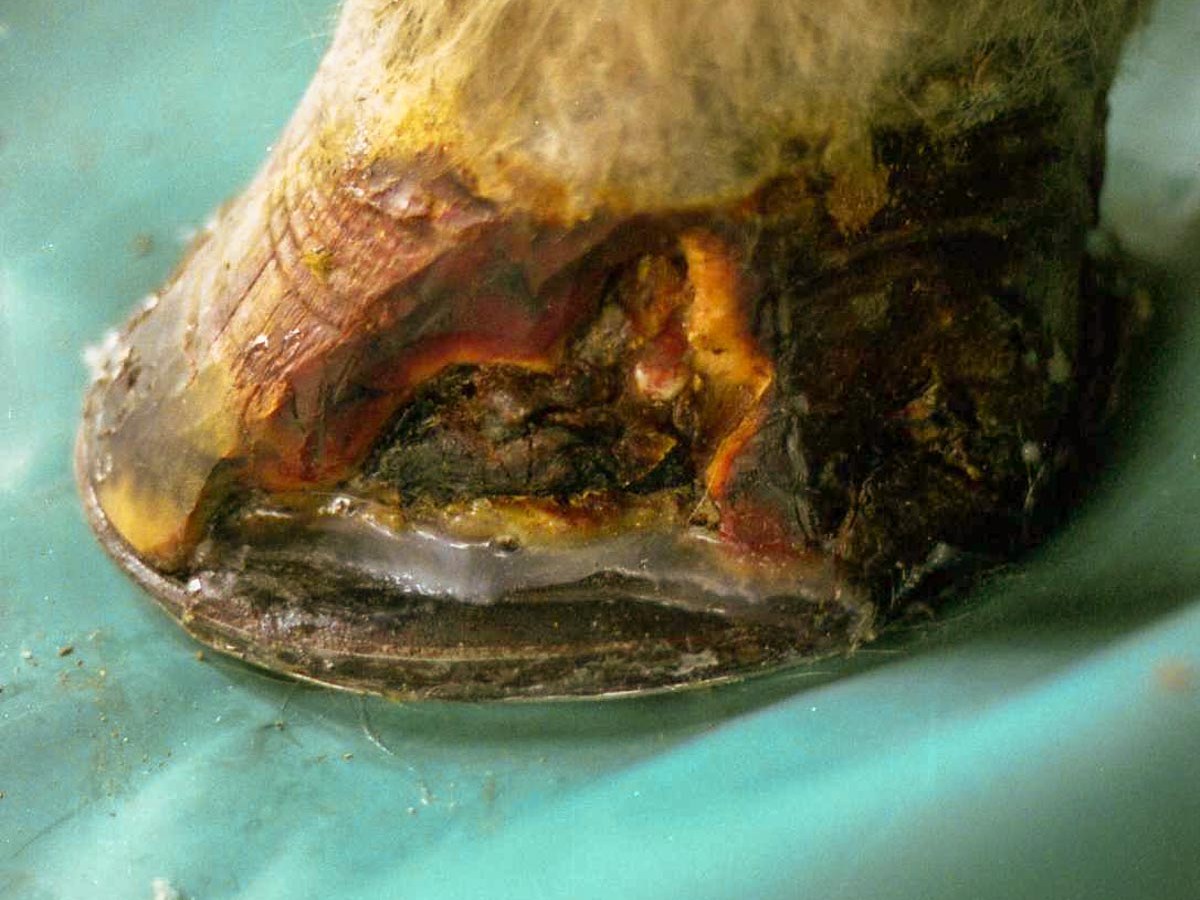
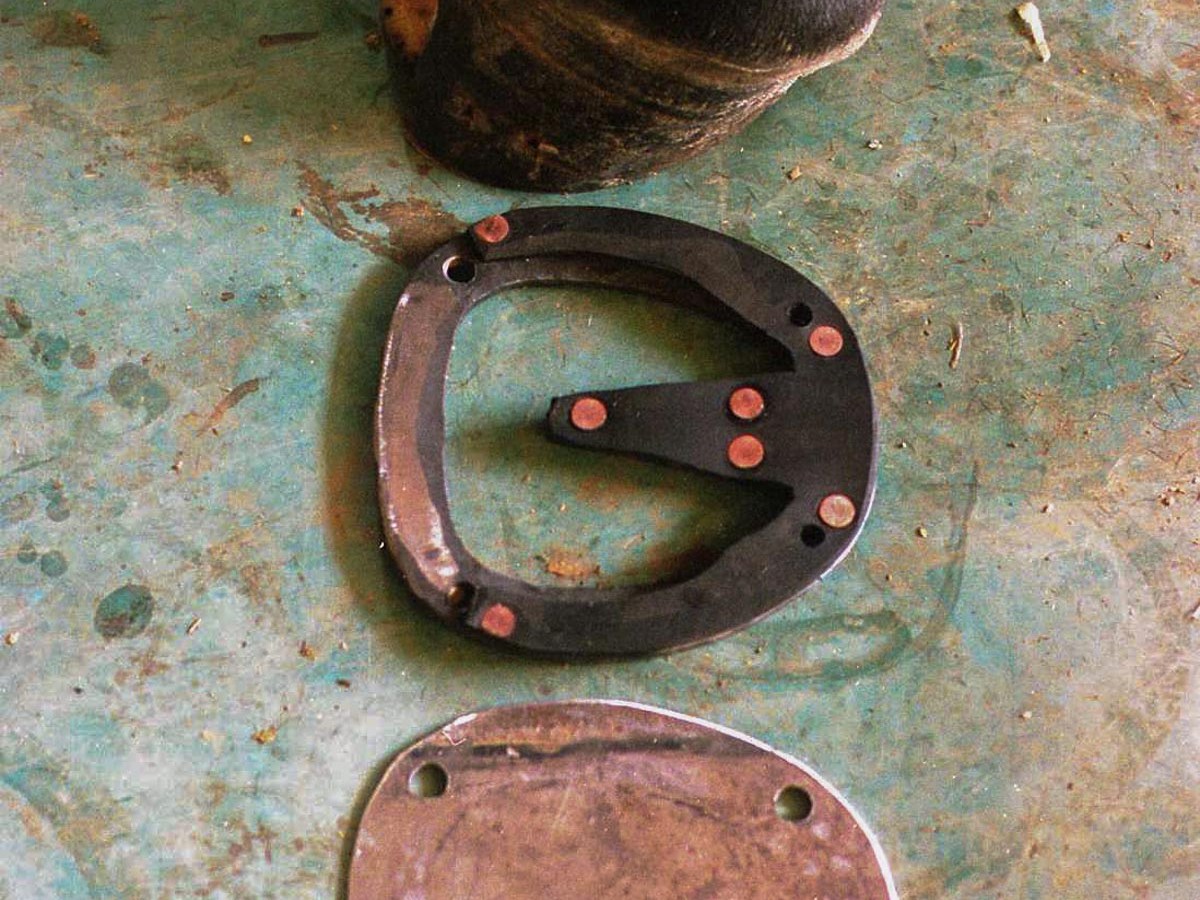
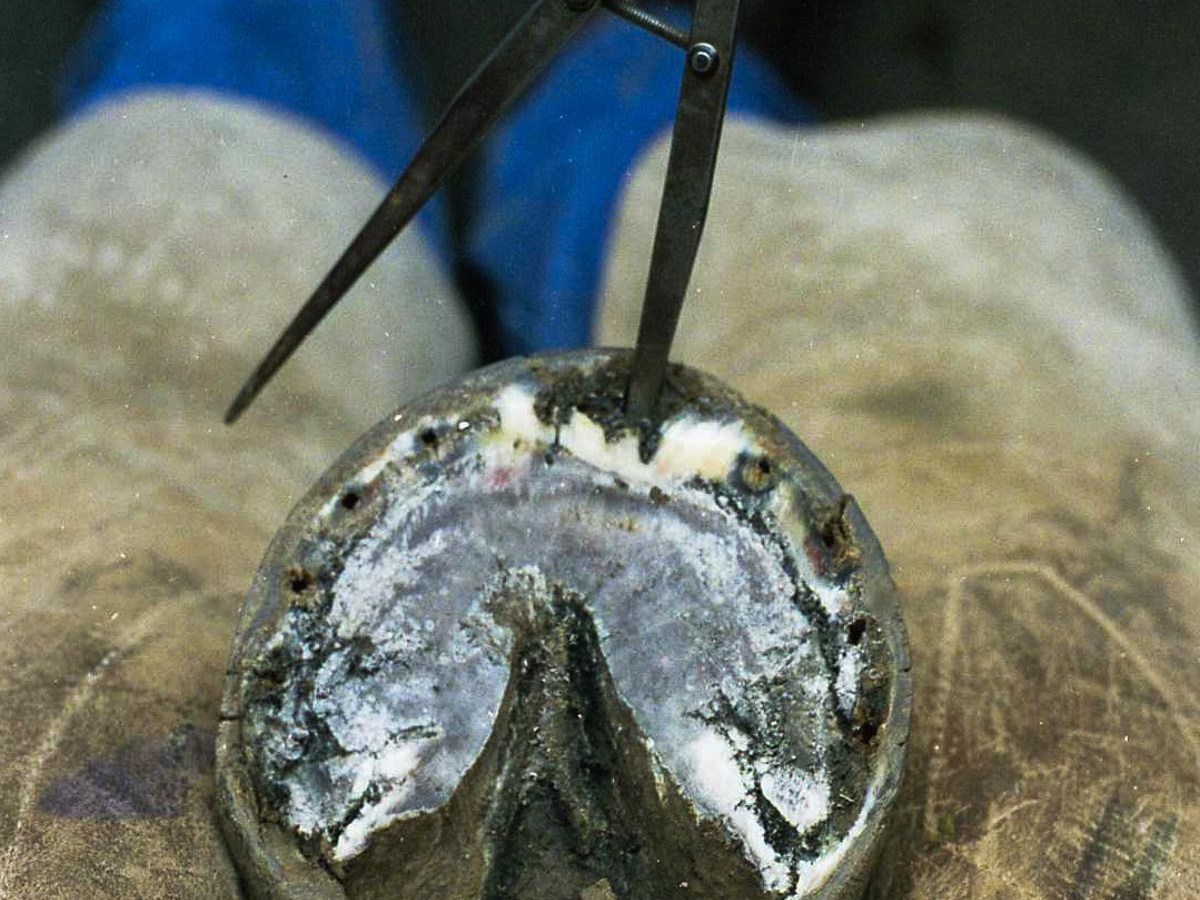
Specialty Farrier Cases
“Throughout the years as a professional farrier and an amateur photographer, I have thoroughly enjoyed shoeing and documenting the horse’s foot. I have felt that doing this helped me build upon previous experiences and not repeat my mistakes. It is my hope that you will find these farrier cases interesting and perhaps useful. Please feel free to use them in any way to help put the best foot forward.
I am also willing to consult by phone with veterinarians and farriers about hoof cases, free of charge and fully confidential. Give me a call or text at (540) 460-1674.”
Sincerely, David Clark
Click through to view example cases by topic:

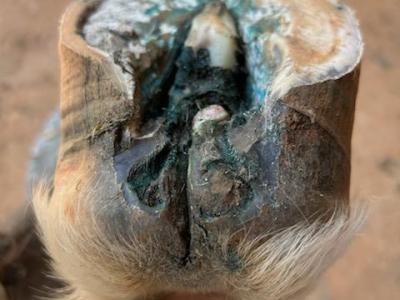
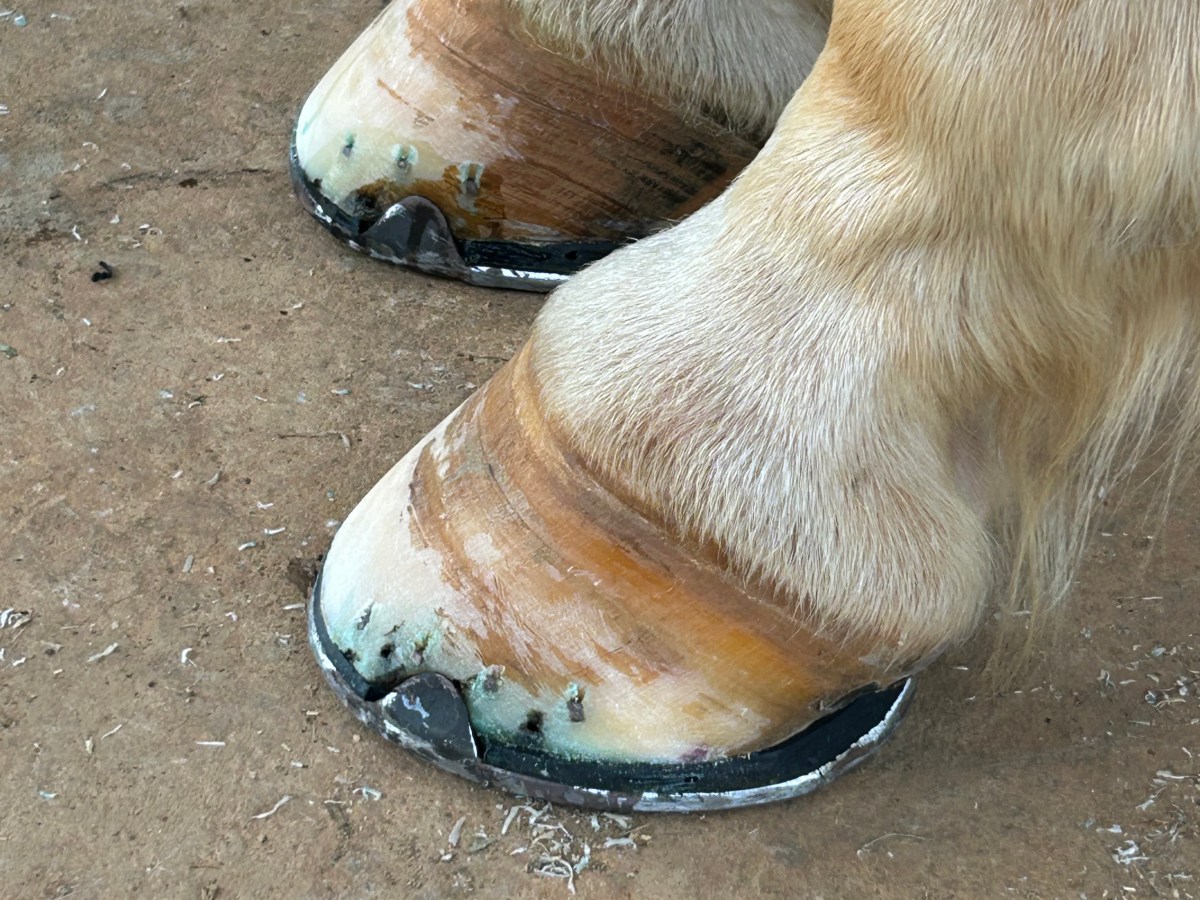
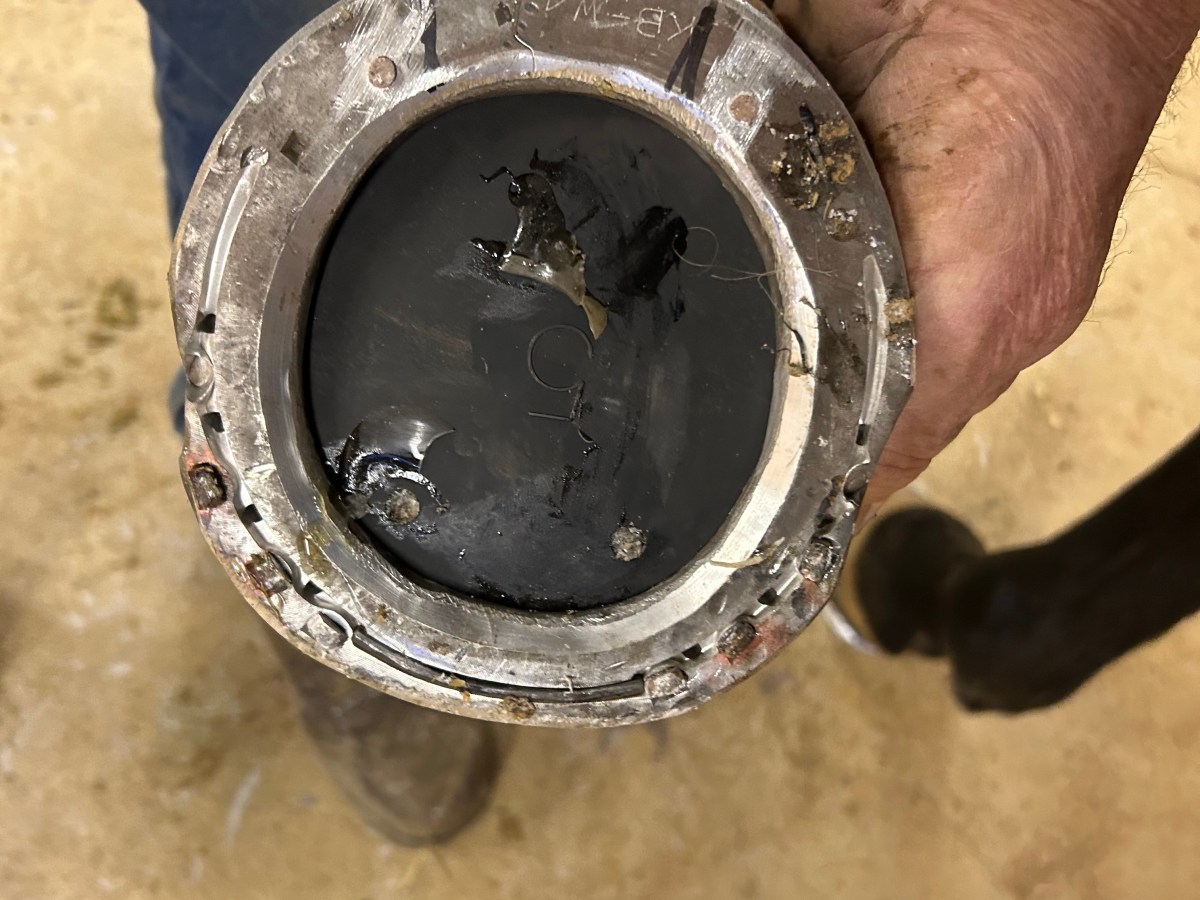
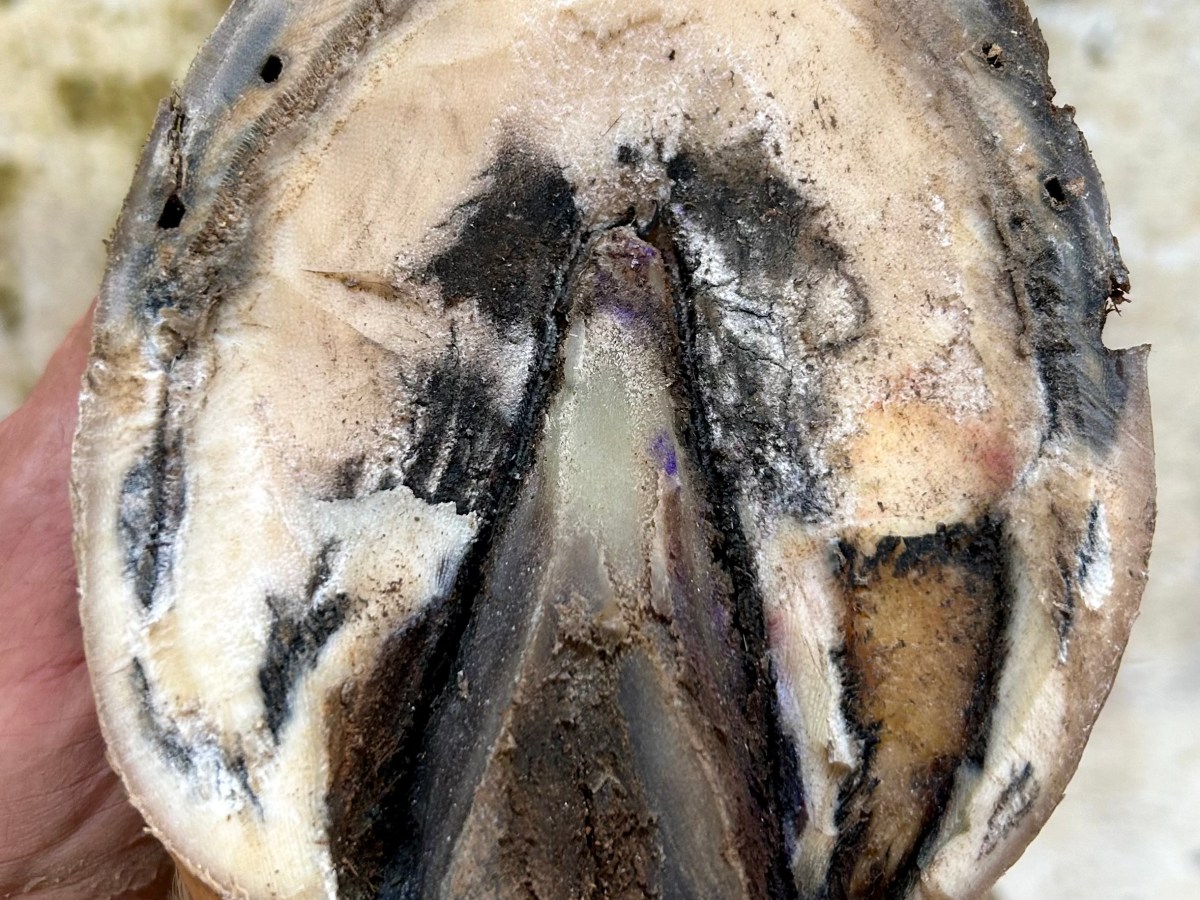
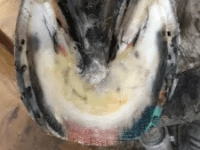
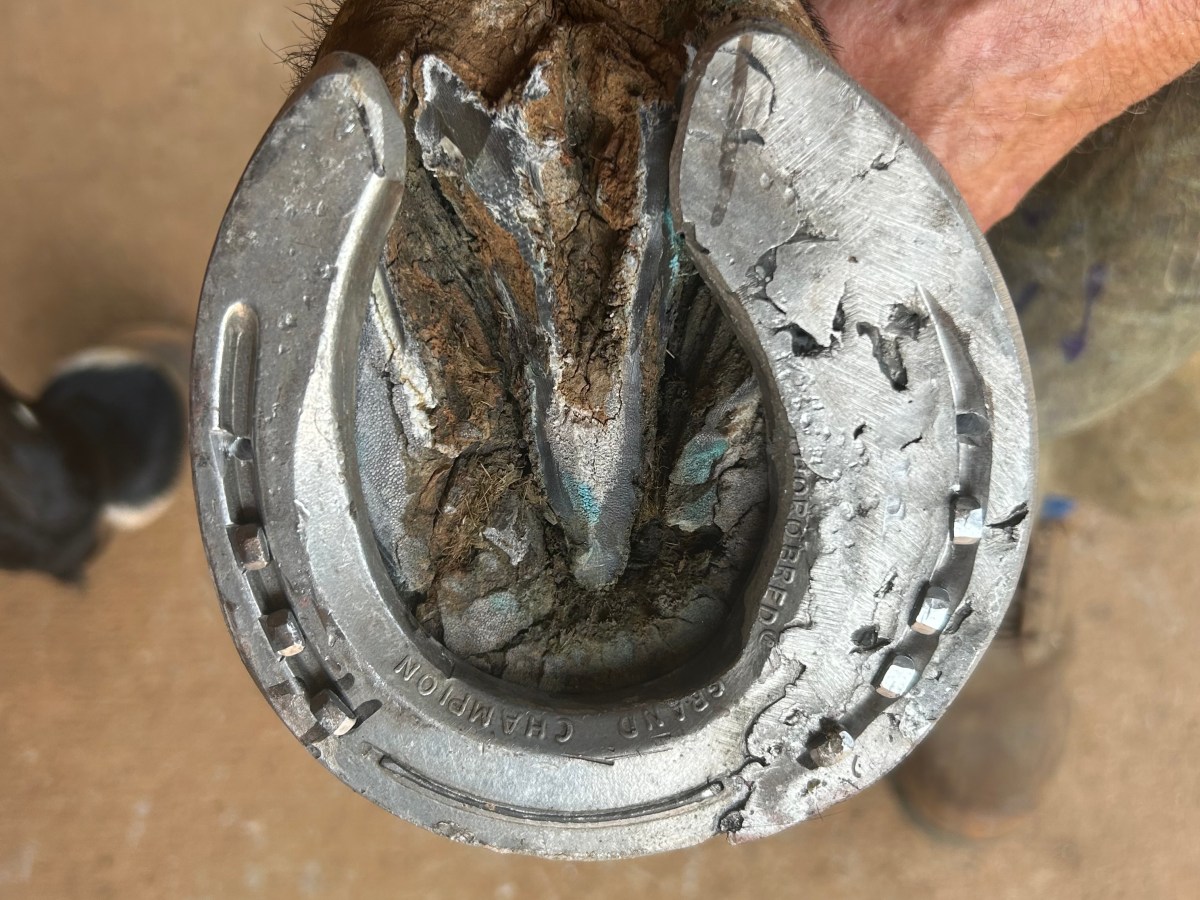
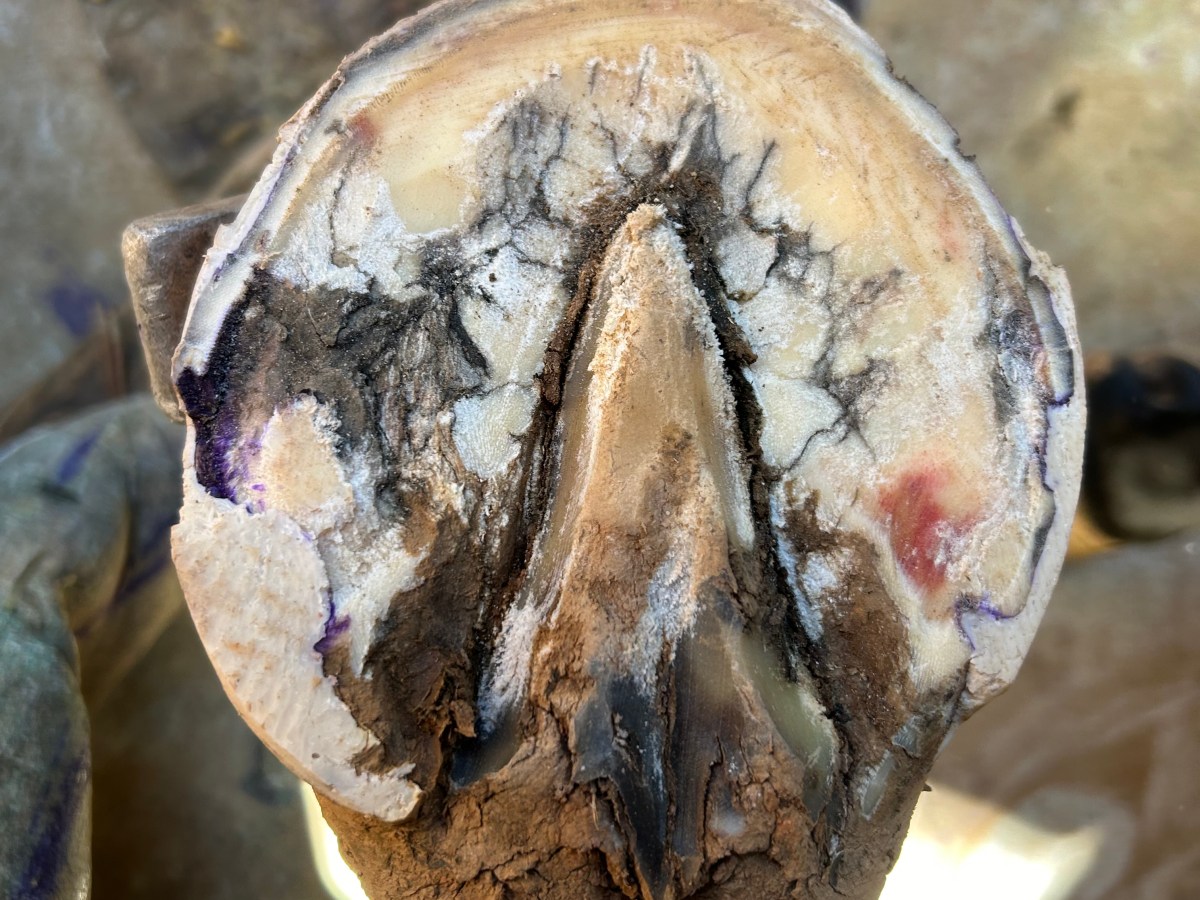
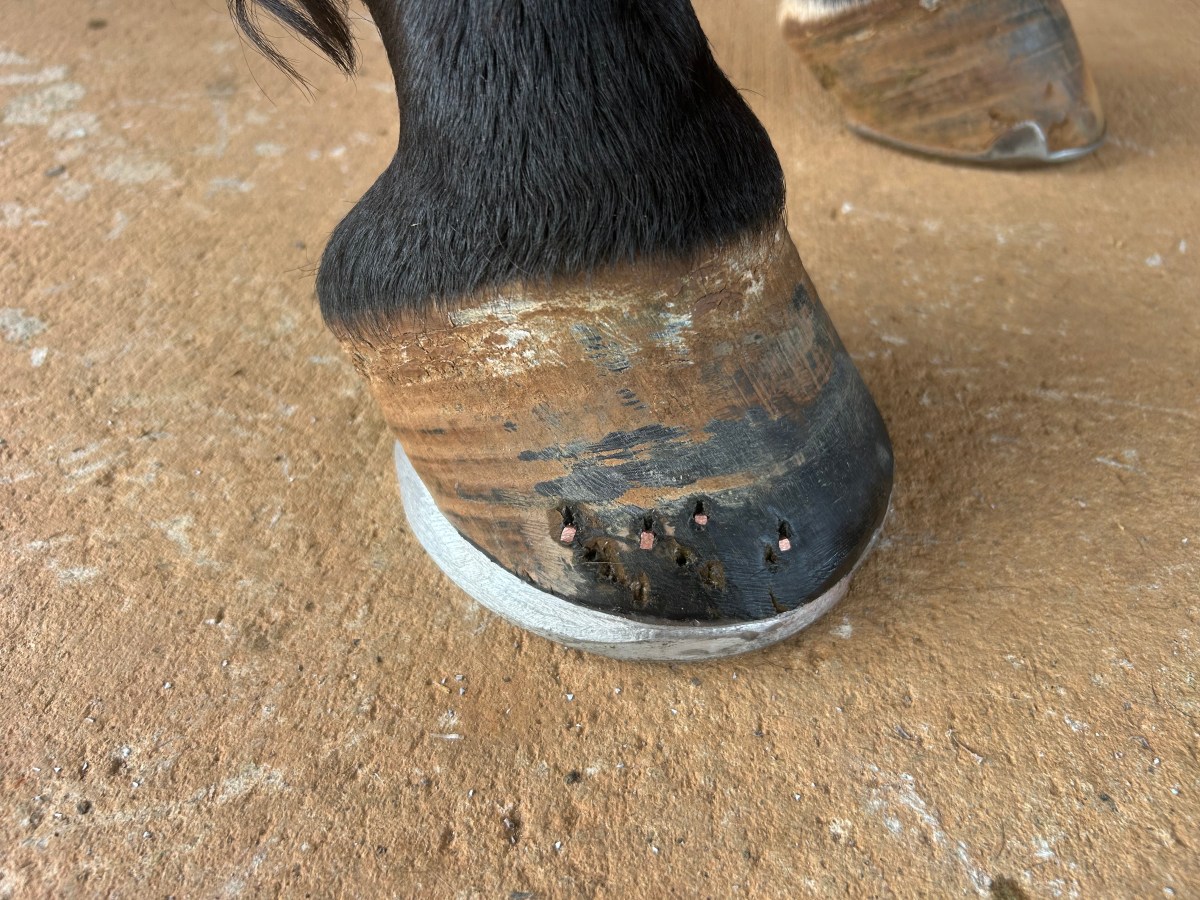
“For the ten years I was Director of Riding at Sweet Briar College, I was fortunate to have Dave Clark work as our farrier and partner in the care of the terrific horses that were the foundation of our success. Dave consulted with the instructors and our vets to keep the horses sound and
-Shelby French
comfortable in their work.”
Professional References
Team Effort Philosophy
It has been my past experience that the best results are more often than not a team effort with good communication amongst professionals who know their animals.
A Team Approach to Management
A team effort with the acting veterinarian, farrier, trainer, and stable manager is almost always the most successful road to return the horse to a useful and higher quality of life.
Trainers should report subtle changes in performance to the farrier. Some instances can be horses not using the full range of their stride or not wanting to go forward, and then escalate to stopping at fences, and/or generally bad behavior that might just be a coming from a bruise left unattended that next turns into an abscess. What can turn into a lengthy lameness, needing downtime, costing money and resources could have possibly been avoided with a simple, easy fix, perhaps a pad or a wide web concave shoe, and a couple days off.
In cases such as acute laminitis, the team effort makes or breaks the life or usefulness of the horse. Veterinarian may need pre-and post-trimming x-rays to determine sole depth, coffin bone rotation, accurate placement of a heart bar.
Farrier will need to work in tandem with the veterinarian for proper placement of a heart bar, relief of sole pressure, accurate trim angle with relation to the coffin bone, protection from ground pressure, and possible pressure points for abscesses.
The stable manager may have to give medications for pain, anti-inflammatory relief at intervals specified by the veterinarian. More than likely, there will be feed modifications, possibly soaking the hay as well as icing the feet, etc..
It’s the stable manager’s responsibility to keep tabs on the condition such as increased digital pulse, lethargy, and pain level. That way intervention can be proactive and therefore more successful.
The Goals Are:
~Pain management through time tested horseshoe therapeutics
~Restoration of hoof capsule, integrity for optimum performance and longevity
~Enhanced hoof to capsule balance through the reduction of torsion and equalization of static and active load weight-bearing
 Creekside Forge & Farm